
Do You Need a Softener and a Filter, or One Combined System?
Galene Water Treatment · 5 min read
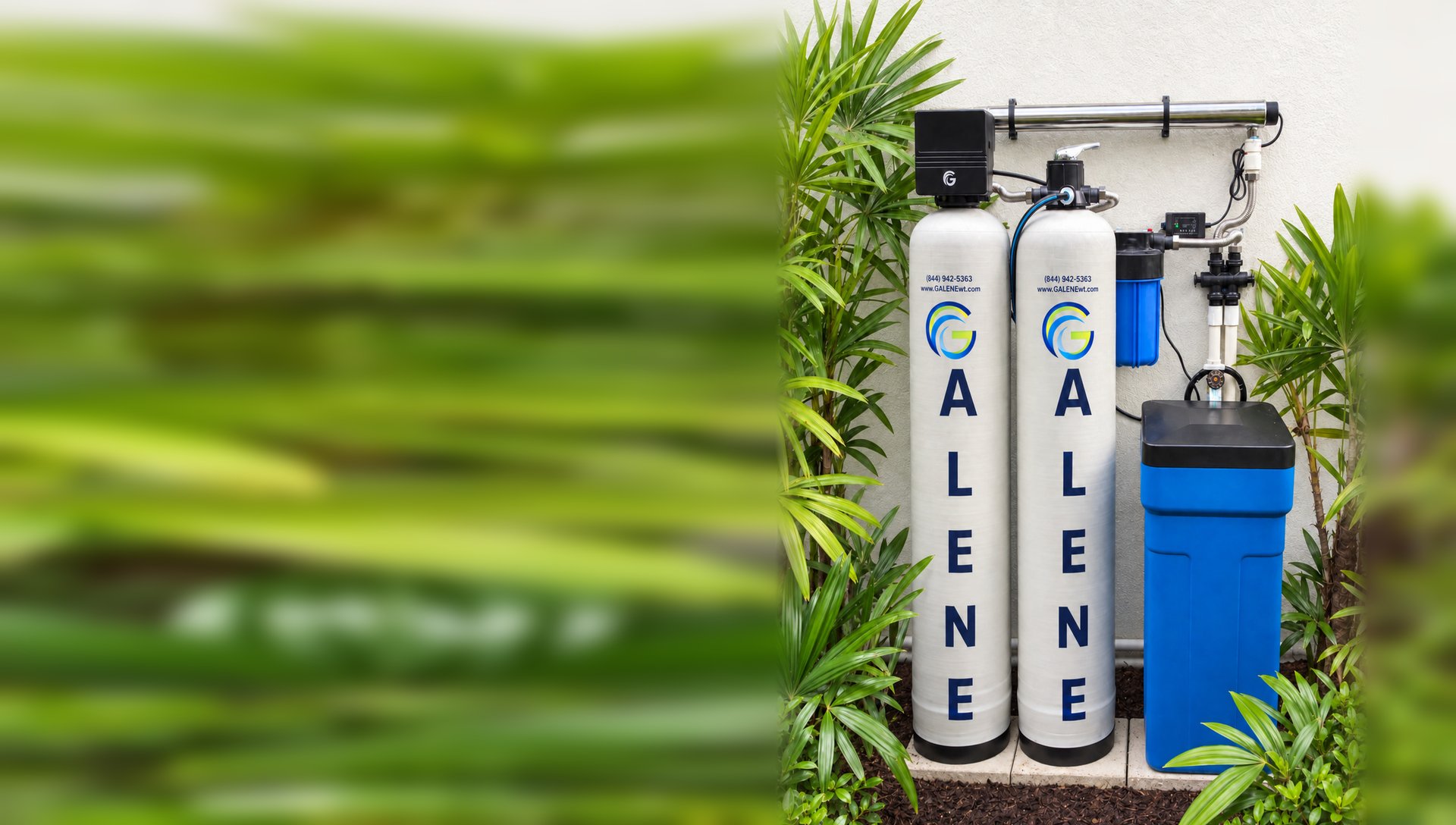
Many Central Florida homeowners ask a version of the same question: do I need a water softener, a filter, or both? And if I already have a softener, do I also need a whole-house filter? It's easy to get confused because the two are often sold together, but they do very different jobs.
What a water softener does
A water softener removes hardness minerals, mainly calcium and magnesium. Those minerals cause scale on fixtures, spots on dishes, soap scum and buildup inside water heaters and appliances. A softener doesn't remove chlorine, and it isn't designed to fix taste or odor.
What a whole-house filter does
A whole-house filter, usually using carbon media, reduces chlorine and many other substances that affect taste and smell. Depending on the media, it can target other contaminants too. A carbon filter doesn't remove hardness, so it won't stop scale on its own.
What a salt-free conditioner does
A salt-free conditioner is a different approach to hard water. It doesn't remove hardness minerals, so it isn't a softener. Instead, it changes how those minerals behave so they're less likely to form scale. It's popular with people who want to stop buying and lifting salt.
When a combined system makes sense
If your water test shows both hardness and chlorine or other contaminants, a combination system can address both. That's common on Central Florida city water, which is often hard and treated with chlorine or chloramine. A combined system is installed as one setup, often with the filter first to protect the softener media.
- Hard water plus chlorine taste or smell: a filter and softener, or filter and salt-free conditioner, together.
- Hard water only: a softener or salt-free conditioner may be enough.
- Chlorine taste only, little scale: a filter may be enough.
- Well water with iron or sulfur: usually needs treatment designed specifically for those, sometimes with UV.
I already have a softener. Do I need a filter too?
It depends on what's bothering you. If your softener is working and you're happy with your water, you may not need anything else. But if you still notice a chlorine smell, an off taste, or concerns about other contaminants, a softener won't help with those. A whole-house filter added before the softener can.
It's also worth checking how old your softener is and how well it's working. If it's old or unreliable, replacing it with a combined system may make more sense than adding a filter to aging equipment.
Do combined systems cost more?
A combined system costs more than a single unit because it's more equipment. But installing them together is often more efficient than adding a second system later, since the plumbing work happens once. The real question is whether your water needs both. A test answers that.
What about drinking water?
Some homeowners add a reverse osmosis system under the kitchen sink for drinking and cooking water. It's a separate layer that works alongside whole-home treatment and is especially popular with people who want to stop buying bottled water.
Questions to ask any water treatment company
Whichever company you talk to, a handful of plain questions will tell you a lot about the system and the people behind it. A trustworthy provider will answer each one clearly and put the important answers in writing.
- What did my water test find, and which of those issues will this system address?
- How did you size the system for my home and household?
- Exactly what work is included in the installed price, and what would cost extra?
- What maintenance will the system need, how often, and what does it cost?
- Who do I call if something goes wrong, and how quickly do you respond?
- What guarantee comes with the system if I'm not satisfied?
If a salesperson avoids these questions, rushes past them, or answers with a price that only lasts until they leave your driveway, that tells you something too. Good water treatment is a long-term decision, and the company should be comfortable with you taking time to think it over.
Why Florida homes need a local approach
Water across Central Florida changes from one neighborhood to the next. Much of it starts in the Floridan aquifer, where limestone adds calcium and magnesium, so hard water scale is common almost everywhere. City utilities then treat that water with chlorine or chloramine before it reaches you. Homes on private wells skip the utility entirely and can pick up iron, manganese or sulfur along the way, sometimes all three.
Climate plays a part too. Many Florida systems are installed outdoors or in hot garages, which affects which equipment and covers make sense. Heavy summer rain and storms can change well water quality quickly. A company that works in your area every day will know these patterns and ask the right questions about your home, rather than recommending a package built for somewhere else.
- City water: usually hard, with chlorine or chloramine added for disinfection.
- Private well: varies widely, so testing is essential and should be repeated over time.
- Older homes: may have existing copper plumbing that new PVC runs connect to.
What happens during a free Galene water assessment?
A Galene certified water specialist comes to your home and tests your water on the spot. They look at hardness, chlorine, iron and other issues that matter for your home, and they ask about the things only you can tell them: how many people live there, how many bathrooms you have, whether you are on city water or a private well, and what problems you notice day to day.
They also look at where a system could go, whether that's the garage, the side of the house or a utility closet, and check the plumbing, drain and power available there. Then they explain what they found in plain language and recommend a system that fits your water and your home.
You receive an exact written quote. There is no pressure to decide during the visit. Galene offers factory-direct pricing, a 30-day money-back guarantee and a 100% satisfaction promise, and new installations use PVC plumbing. If you'd rather think it over, compare other quotes or talk it through with family, that's completely fine.
The bottom line
Softeners handle hardness. Filters handle taste, smell and other contaminants. If your water has both kinds of problems, a combined system is usually the cleanest solution. If you already own a softener, look at what's still bothering you and how old the softener is before adding anything.
NEXT STEP
A Galene water specialist can test your water at home for free and give you an exact written quote, with no pressure to decide that day.
Find the right combination